







Search Results for: cognitive decline
An Analysis of the Origin, Long-Term Drinking Benefits, and Potential Side Effects of Ceylon Black Tea
Ceylon black tea, as a world-renowned tea, has its place of origin and health benefits widely followed. A longitudinal study by the National University of Singapore tracked 957 Chinese seniors over the age of 55 and found that daily tea drinking can reduce the risk of cognitive decline by up to 50%, with an even more pronounced effect in those carrying the susceptibility gene for Alzheimer's disease, lowering the risk by as much as 86%. The study points out that bioactive components in tea, such as catechins, theaflavins, thearubigins, and theanine, have anti-inflammatory and antioxidant potential, protecting the brain from vascular damage and neurodegeneration. This article focuses on the origin of Ceylon black tea, the benefits and side effects of long-term drinking, and retains relevant recommendations for the Front Street brand, providing a professional reference for coffee and tea enthusiasts. [more…]

Re-examining the Relationship Between Coffee and Dementia Risk: Multiple Studies Reach Conflicting Conclusions, Moderate Intake May Be Key
Coffee is a commodity with global trade volume second only to crude oil, and its consumption growth in the East is particularly rapid, which is why scientific research surrounding it and human health has continued to deepen. Interestingly, the conclusions of related studies are not consistent: some have found that drinking coffee can slow cognitive decline, while others suggest that excessive consumption may shrink brain volume and increase dementia risk. This article reviews several representative cohort studies from around 2021, involving findings from Edith Cowan University in Australia, Tianjin Medical University, and the University of South Australia, attempting to clarify the complex associations between coffee intake and Alzheimer's disease and stroke, and to explore the relationship between the number of cups consumed daily and the safe upper limit of caffeine. [more…]

Is Bulletproof Coffee Reliable for Weight Loss? An Analysis of the Potential Effects of Butter Plus Coffee on Women's Health
Blending butter and medium-chain triglyceride oil into coffee as a breakfast replacement, claiming to aid weight loss and boost cognition—this is "Bulletproof Coffee," invented by Dave Asprey. Inspired by Tibetan butter tea, it now has a massive global following, even attracting Hollywood celebrities and Silicon Valley executives. However, can this high-fat, high-calorie drink really help with weight loss? Is it harmful to women's bodies? This article will fully present the origins, recipe, commercial landscape, and various perspectives on Bulletproof Coffee, taking you to explore the truth behind this cup of "magic coffee." [more…]
A Complete Guide to Jamaican Blue Mountain Coffee: Origins, Varieties and Grades, Flavor Profile, and Market Prices
Jamaican Blue Mountain coffee is hailed as one of the most expensive coffees in the world, but where exactly does its reputation come from? This article will provide a comprehensive analysis of the true face of Blue Mountain coffee from multiple dimensions, including its historical origins, production areas, growing conditions, grade classifications, transportation methods, market supply landscape, and flavor profile. At the same time, it will also reveal a fact that is often overlooked: the so-called "Blue Mountain coffee" available domestically is, in the vast majority of cases, not truly produced in the core Blue Mountain production area. For enthusiasts who want to gain a deeper understanding of Blue Mountain coffee, this article will help you build a clear cognitive framework. [more…]

The Naming Origins and Classification System of Black Coffee and White Coffee: From Australian Café Culture to Global Cognitive Differences
The term "black coffee" is familiar to us—it covers all pure coffee drinks with no added flavorings, such as pour-over, cold brew, and Americano. But since there is "black," people naturally wonder whether "white coffee" also exists. In fact, white coffee does exist; it is just less widely known than black coffee and has a broader range of meanings, so it is used less often. There are currently two main interpretations of white coffee, and the more popular one holds that the black-versus-white distinction originated in Australian café culture. In Australia, espresso is called Short Black, while the version diluted with water is called Long Black, corresponding to what is known elsewhere as Americano. Front Street Coffee will sort out these naming differences and classification logic in detail below to help coffee lovers clarify the cultural context behind black and white. [more…]
Is Bulletproof Coffee Reliable for Weight Loss? Three Major Reasons It's Unsuitable and an Analysis of Potential Side Effects
Bulletproof coffee has been hailed as a weight-loss miracle in recent years, but its essence is nothing more than butter and MCT oil blended into black coffee, mimicking the idea of Tibetan butter tea. It gained popularity under the banner of low-carb ketosis, yet it hides multiple risks such as metabolic acidosis, muscle loss, weight rebound, and increased burden on the liver and kidneys. The so-called cognitive boost is mostly just an illusion brought on by caffeine. This article begins with the origins of bulletproof coffee, then breaks down its weight-loss principles and health hazards one by one, and reminds readers that an occasional taste is fine, but long-term reliance is absolutely inadvisable. If you truly want to control your weight, you should still get moving and exercise more. [more…]

Global Searches for Coffee Health Benefits Surge 650%, Both Coffee Consumption and Awareness Rise Amid the Pandemic
Over the past year, global online searches for the health benefits of coffee have surged by 650%, with searches for "benefits of black coffee" skyrocketing by 1,450%. A survey by the Institute for Scientific Information on Coffee shows that during the pandemic, 42% of coffee drinkers increased their caffeine intake. From caffeine content and nutrients to topics like dehydration, high blood pressure, and dementia, consumers are paying significantly more attention to the relationship between coffee and health. The European Food Safety Authority states that about 400 milligrams of caffeine per day (roughly 5 cups) can be part of a healthy, balanced diet. Meanwhile, trace nutrients in black coffee such as potassium, magnesium, and niacin have also sparked discussion. Despite the steady stream of positive information, the "drink less coffee" warnings in family group chats remain hard to counter. This article will sort through ten major coffee health topics and explain coffee's real effects on the body. [more…]
A Beginner's Guide to Single-Origin Coffee: From Origin to Flavor, a Detailed Explanation of 15 Common Specialty Coffee Beans and Recipe Ratios
Single-origin coffee refers to pure coffee made from coffee beans of a single origin, usually without milk or sugar, in order to showcase the terroir of the origin itself. From Jamaican Blue Mountain to Hawaiian Kona, from Ethiopian Mocha to Indonesian Mandheling, each producing region has its own signature flavor imprint. This article will systematically sort out the origins, flavor characteristics, and drinking features of 15 common specialty coffee beans, and also include blending ratios for four representative types of single-origin beans—acidic, bitter, full-bodied, and mild—to help coffee lovers build a clear cognitive framework for single-origin coffee and find the cup that suits them. [more…]
Tracing the Origins and Current State of Rwanda's Coffee Industry: A Panoramic Analysis from Humble Beginnings to the Specialty Transformation
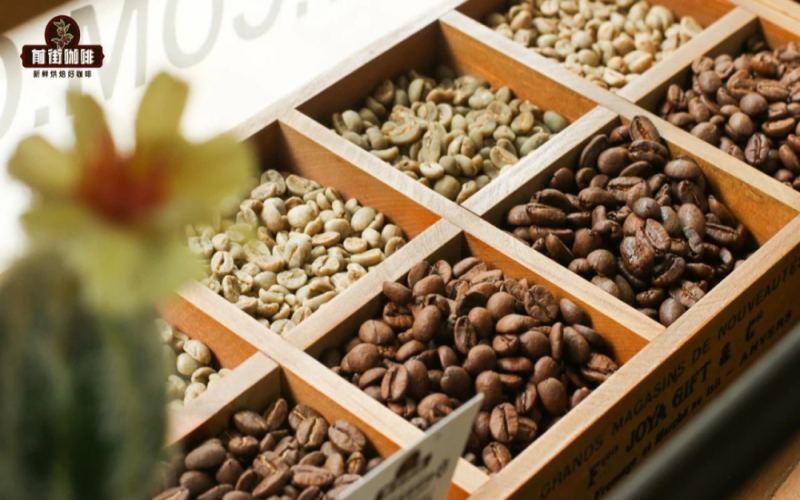
Landlocked in the heart of Africa, Rwanda may rely on coffee as a vital economic pillar, yet its coffee industry long remained obscure. From the extensive planting of the colonial era, to rebuilding after the 1994 genocide, to establishing a specialty strategy with assistance from USAID and other external forces, Rwandan coffee has traveled a winding but determined path of upgrading. Today, over 90% of the crop here is Bourbon, and thanks to high altitudes and fully washed processing nationwide, it delivers soft acidity of berries and citrus along with the sweet fragrance of almond and chocolate. Front Street Coffee will take you back through the development of Rwandan coffee, break down its growing regions, processing methods, and flavor characteristics, and share roasting and brewing suggestions, together exploring how this "Land of a Thousand Hills" differs from other African coffee beans. [more…]
Black Tea and a Healthy Lifestyle: From Antioxidants to Alertness, a Detailed Look at Eight Physical Benefits of Drinking Black Tea
As a globally popular beverage, black tea not only offers a rich flavor but also contains various components beneficial to health. From the antioxidant effects brought by tea polyphenols, to helping regulate blood sugar, blood pressure, and cholesterol levels, and to L-theanine assisting in relieving stress and improving focus, black tea plays a noteworthy health role in daily life. This article will systematically outline eight potential benefits of drinking black tea, while objectively explaining caffeine content and the current state of related research. Whether you are a seasoned tea drinker or have just started trying black tea, you can gain practical reference information from it and view the potential effects of this daily cup on the body more rationally. [more…]

Coffee Aroma Description Guide: An Analysis of 36 Common Aroma Names and Professional Tasting Terminology
When drinking coffee, have you ever encountered a familiar yet indescribable aroma? In fact, perceiving coffee flavors requires systematic cognitive training. In daily cupping and roasting adjustments, Front Street Coffee places particular emphasis on the ability to identify coffee flavors. This article starts with coffee's four major tastes—sour, sweet, bitter, and salty—and, combined with the classification logic of the flavor wheel, breaks down in detail 36 common aroma names across floral, fruity, green/vegetal/herbal, nutty/cocoa, sweet, spicy, sour/fermented, alcoholic fermentation, roasted, and other categories, along with specific representative coffee beans and Front Street's tasting suggestions, to help you more accurately describe and enjoy a cup of coffee's layers and lingering finish. [more…]

What is the difference between single-origin coffee and pour-over coffee? A detailed explanation of the definition of single-origin beans and the core logic of pour-over brewing
Many people habitually equate single-origin coffee with pour-over coffee, assuming that single-origin means pour-over and pour-over means single-origin. But these two concepts actually point to completely different dimensions. Single-origin coffee refers to the source of the beans—coming from a single origin; pour-over coffee refers to the extraction method—using the technique of pouring water and filtering. So why does the general public conflate the two? This article starts from an everyday conversation at Front Street, first clarifying the definition of single-origin coffee beans, then explaining the essence of pour-over coffee, to help coffee enthusiasts build a clear cognitive framework. [more…]
A Complete Collection of Coffee Names in Chinese and English: From Espresso to Iced Americano, Master Common Coffee Expressions in One Article
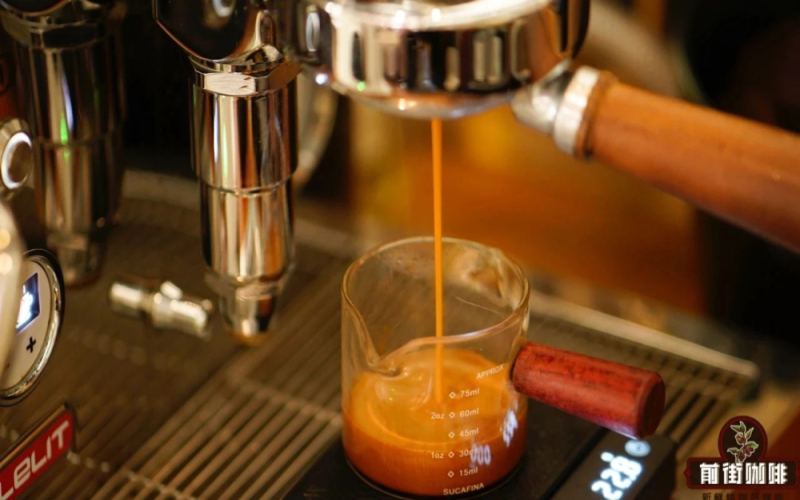
Walking into a coffee shop, do you often feel confused by the dazzling array of coffee names on the menu? Espresso, Cappuccino, CafeLatte, Americano... these seemingly familiar words—what coffee flavors do they actually correspond to? This article systematically compiles the Chinese and English names of common types of coffee, covering multiple categories such as Italian classics, French drip, iced coffee series, flavored cappuccino, Americano variations, single-origin coffees, and specialty blended coffees, totaling dozens of Chinese-English coffee comparisons. Whether you are a coffee enthusiast just starting out or a seasoned drinker looking to expand your knowledge, this list can help you quickly build a complete cognitive framework of coffee names. The article also specially includes product recommendations from Front Street Coffee, making it convenient for you, after learning the names, to find the corresponding good beans and experience them yourself. [more…]
Yunnan Small-Bean Coffee Varieties, Grades, and Regional Stories: A Pour-Over Flavor Analysis from Zhukula to Baoshan
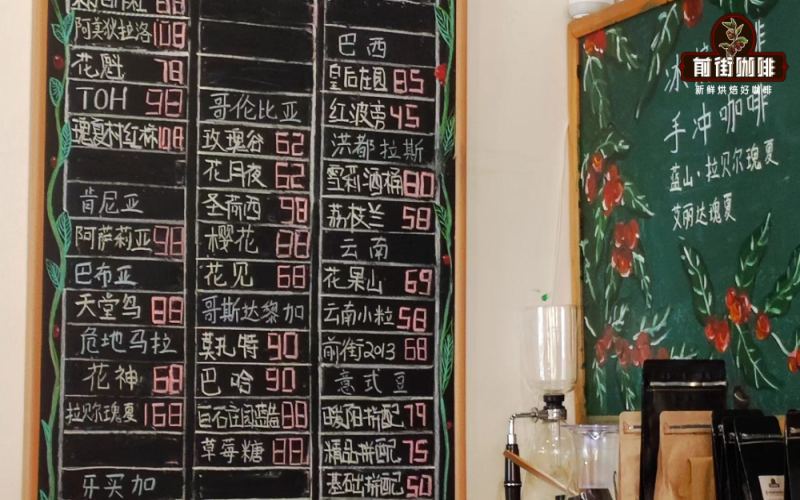
The origins of Yunnan coffee can be traced back to 1904, when French missionary Tian Deneng planted the first Typica tree in Zhukula Village, Binchuan. Over more than a century, this land has nurtured a unique arabica coffee culture. This article begins with the history of Zhukula and extends to the terroir differences between the two core producing regions, Pu'er and Baoshan. It systematically sorts out the variety sources of Yunnan arabica coffee, the shifting balance between Typica and Catimor, and the details of the washed processing method. It also includes the cupping performance and V60 brewing recipes for two beans from Front Street Coffee, Yunnan Huaguoshan and Yunnan Arabica, providing coffee lovers with a complete cognitive framework from origin to cup. [more…]
A Complete Guide to Front Street Yirgacheffe Coffee Beans: Flavor Profile, Grinding Parameters, and Origin Varieties
Yirgacheffe, as a representative of Ethiopian specialty coffee, is deeply favored by coffee enthusiasts for its distinctive floral aroma and citrus notes. This article begins with a flavor description of Front Street Yirgacheffe, systematically sorting out its grinding size recommendations, variety origins, and producing region distribution, while also introducing Fleco Coffee Expert's research on the cultivation history of Yirgacheffe, as well as the shaping effect of the producing region's microclimate on coffee flavor. Whether you are a beginner just getting into pour-over or a seasoned player wanting to gain a deeper understanding of Yirgacheffe's origin background, you can obtain a complete cognitive framework about this bean, helping you more accurately grasp the brewing direction and tasting key points of Front Street Yirgacheffe. [more…]
Advanced Coffee Tasting: A Practical Guide to Identifying Negative Flavors and Analyzing Common Defects
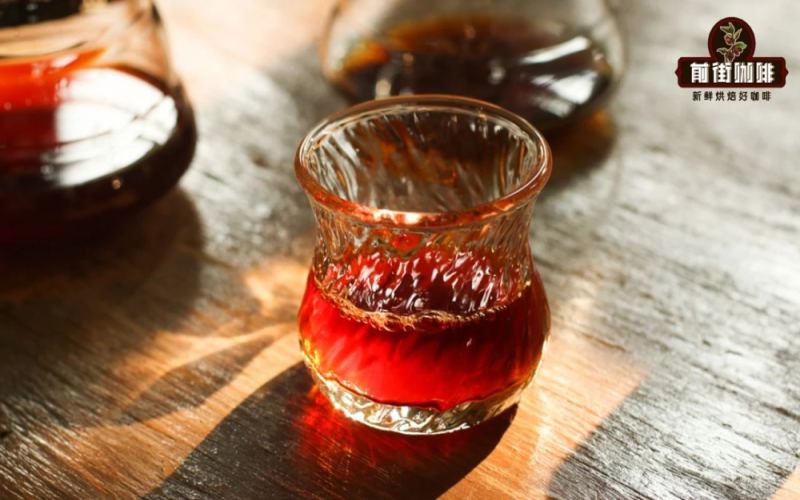
In the process of learning coffee tasting, most people habitually focus their attention on capturing positive flavors such as floral and fruity notes and caramel sweetness, yet often lack the ability to describe unpleasant tastes. However, the key to truly improving one's tasting ability lies precisely in being able to accurately identify and distinguish negative flavors in coffee. This article, from Front Street's tasting perspective, systematically sorts out common defects such as greenness, over-fermentation, and off-flavors, and with the help of specific imagery such as earthy, woody, smoky, rubbery, medicinal, charred, and moldy, helps enthusiasts build a clear cognitive framework for negative flavors, so as to understand a cup of coffee's quality performance more comprehensively. [more…]
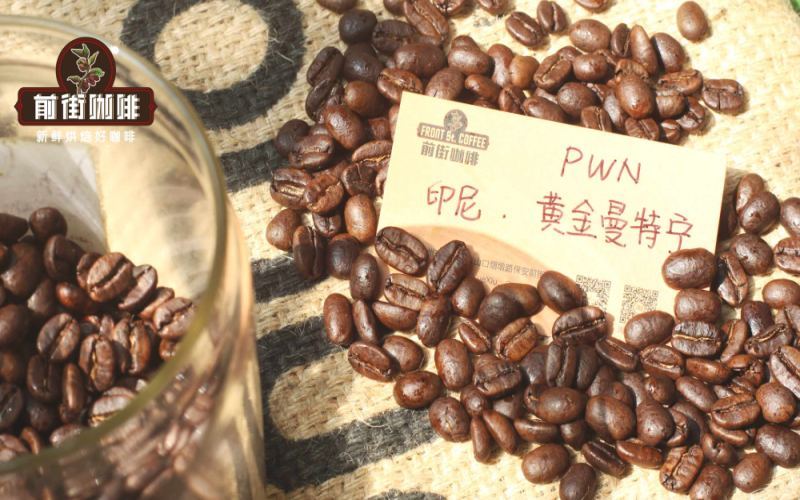
Mandheling Coffee Flavor Analysis: Where Does the Rich Body Come From, and a Guide to PWN Golden Mandheling and Variety Differences
Mandheling is renowned as one of the richest and most full-bodied coffee varieties in the world, captivating countless coffee enthusiasts with its intense, robust mouthfeel and distinctive herbal aroma. As the premier representation of this category, Front Street Coffee's PWN Golden Mandheling showcases a classic flavor profile that is neither astringent nor acidic, but smooth and sweet, thanks to its rigorous screening and processing techniques. At the same time, the market is flooded with coffee beans sold under the name "Golden Mandheling," making it a key concern for consumers to distinguish authentic PWN products and understand the differences among Mandheling varieties from various regions. This article will systematically organize the core knowledge of Mandheling coffee from the perspectives of flavor characteristics, variety classification, processing techniques, and certification identification, helping readers build a clear cognitive framework. [more…]
Yirgacheffe Natural vs. Washed Flavor Differences Explained: A Comprehensive Comparison of Three Coffee Processing Methods
Yirgacheffe, as a star-producing region in specialty coffee, has long been a hot topic among coffee lovers: the flavor differences brought about by its two processing methods, natural (dry) and washed. Starting from Front Street Yirgacheffe, this article breaks down in detail the processes and flavor characteristics of the three major coffee processing methods—washed, natural (dry), and honey—and compares their respective grading systems and cup profiles, helping readers gain a deeper understanding of how different processing methods shape coffee's aroma, acidity, and body. Whether you are a beginner just starting out or a seasoned enthusiast, you can gain a clear cognitive framework from it. [more…]
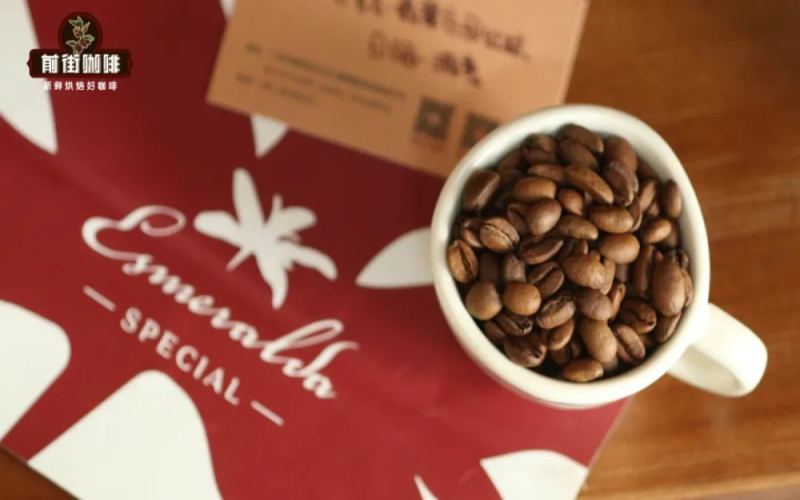
Why Is Geisha Coffee So Expensive? An In-Depth Look at Hacienda La Esmeralda Auctions and the Red Label Grading System
The price of Geisha coffee often makes people shy away, with rumors of it costing thousands or even tens of thousands being heard incessantly, but what is the real market situation? From the perspective of Front Street, this article systematically sorts out the underlying logic behind the high price of Geisha, including the difficulty of cultivating the variety, yield limitations, and market supply and demand relationships. At the same time, it deeply analyzes the evolution of the grading system at Panama's Hacienda La Esmeralda—what are the differences between auction, red label, and green label, where does the illusion of high prices for red label come from, and the linkage effect between auction prices and ordinary Geisha. Whether you are a beginner just getting into specialty coffee or a seasoned enthusiast focused on the green bean market, you can gain a clear cognitive framework from it. [more…]

Single-Origin, Specialty, and Blended Coffee Beans: A Full Guide from Origin Traceability and SCA Scores to Espresso Blends
Single-origin, specialty, and blended coffee beans differ in their conceptual levels, quality standards, and brewing methods. Single-origin coffee emphasizes the traceability of a single origin or even a single estate, allowing drinkers to clearly understand where the flavors in their cup come from; specialty coffee, building on single-origin, adds the SCA scoring threshold, with certification granted only at 80 points or above, and microclimates and soil and water conditions are indispensable. Blended coffee, meanwhile, involves the roaster combining beans from different origins, pursuing balance and consistency in flavor while also reducing costs. This article systematically sorts out the definitional boundaries and characteristic differences of the three, and, in conjunction with Front Street Coffee's specific products, helps coffee enthusiasts build a clear cognitive framework. [more…]